
Online Child Health Consultations
Protecting and improving the health of children is of fundamental importance. More than half of child deaths are due to conditions that could be easily prevented or treated given access to health care and improvements to their quality of life. Our online child health consultation service connects parents with experienced family doctors and online paediatricians in the UK, offering fast and reliable medical advice.
We also offer access to a same day child GP appointment, helping parents get quick reassurance and medical support when it matters most.
Connect with one of our friendly family doctors today. You can also book an appointment directly with our Consultant Paediatrician Dr Esi Ikazoboh GMC 6120823.
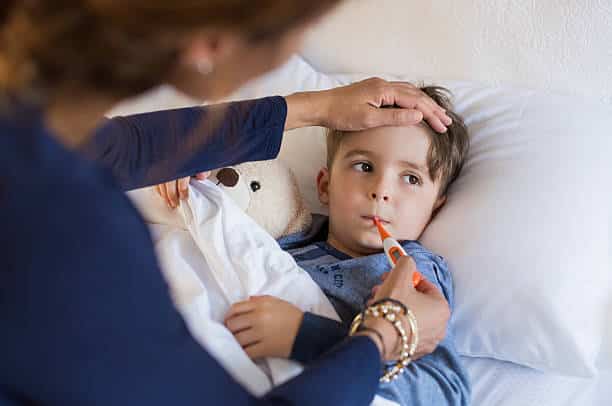
When Should You Seek a Child Health Consultation?
Parents should consider booking an online GP consultation for their child if they notice:
- Persistent fever or infection symptoms
- Cough, cold or breathing difficulties
- Skin rashes or allergic reactions
- Digestive issues or stomach pain
- Changes in behaviour, sleep or appetite
- General health concerns or need for reassurance
Early advice from an online paediatrician in the UK or GP can help prevent minor conditions from becoming more serious.
Online Consultation Benefits
Our online child health consultation service is designed to support parents with quick, reliable and stress-free access to medical care for their children, without the need for clinic visits or long waiting times.
Easy to use
A simple and secure booking process allows you to arrange an online GP consultation for your child in just a few steps
No waiting times
Speak directly with a qualified doctor at your scheduled time without delays or crowded waiting rooms
Access wherever you are
Consult with a family doctor online from home, school or while travelling anywhere in the UK
Prescriptions sent locally
When clinically appropriate, prescriptions are sent directly to a pharmacy of your choice for quick collection
NHS referral support
If required, children can be escalated to specialist care, including an online pulmonologist, for further respiratory evaluation
Confidential and secure care
All of your child’s physical and mental health concerns are handled with complete privacy and professional discretion
Child Health at Consultdoc
You will be able to speak with our online primary care doctors and be examined over video. If medication is recommended your NHS prescription will be sent to a pharmacy of your choice.
Should you require a further specialist assessment or treatment, our GP’s can refer you to a specialist Paediatrician. You can also book an appointment directly with our Consultant Paediatrician Dr Esi Ikazoboh GMC 6120823.
How do our consultations work?
Three easy steps make it simple for parents to access trusted online child health care without delays or clinic visits.
Step 1
It is helpful to prepare your child for the same day child GP appointment where possible by noting down symptoms, recent changes in health, medical history and any concerns you would like to discuss with the doctor.
Step 2
Book and securely pay for an appointment to speak with a qualified online GP or family doctor at a time that suits you, with instant confirmation and easy access from any device.
Step 3
At your scheduled time, consult online with one of our doctors who will carry out a full assessment, provide clear medical advice and recommend a personalised treatment plan or further care if needed.
Trusted by Families Across the UK
Why Parents Trust Our Online Paediatricians in the UK
Our service at Consultdoc is built to give parents complete confidence when seeking medical advice for their child. Every consultation is delivered by fully qualified UK-registered doctors with extensive experience in child health and primary care.
- All doctors are GMC-registered and licensed to practise in the UK
- Experienced in NHS paediatrics and general practice care
- Members of the Royal College of General Practitioners (MRCGP)
- Trusted expertise in managing common and complex child health conditions
- Access to safe prescribing when clinically appropriate
- NHS referral support for specialist or urgent hospital care if required
- Delivered through a CQC-regulated online healthcare service ensuring safety and compliance
- Confidential, secure consultations designed specifically for children and families
Parents choose our online paediatricians in the UK for fast, reliable access to medical expertise, including same day child GP appointments when urgent care is needed.
Child Health Support
With our Online Medical Team
Online Child Health Support with Experienced Family Doctors
Our doctors are experienced in providing child health and family doctor consultations online.
- Fully registered with the General Medical Council (GMC)
- Members of the Royal College of General Practitioners (MRCGP)
- Experienced in NHS primary care and child health management
Parents can trust that all consultations are carried out by qualified and regulated UK doctors.
Our Qualified Team
Our doctors have the General Medical Council (GMC) full registration with a licence to practise.
Doctors on Consultdoc platform are qualified General Practitioners with Membership of the Royal College of General Practitioners (MRCGP).


Frequently Asked Questions (FAQs)
Yes, you can speak to an online paediatrician UK through secure video or phone consultations with experienced UK-registered doctors for child health concerns.
Yes, a same day child GP appointment is available depending on doctor availability, allowing parents to access fast medical advice for urgent child health issues.
Online consultations can help with common child health issues such as fever, infections, coughs, rashes, digestive problems and general health concerns requiring advice or treatment.
Yes, all consultations are carried out by GMC-registered UK doctors following UK clinical guidelines to ensure safe, professional and regulated child healthcare.
Yes, if clinically appropriate during a same day child GP appointment, prescriptions can be issued and sent directly to a UK pharmacy of your choice.
Register now
Common Child Health-Related Topics:
Autism In children
Bedwetting (Enuresis)
Childhood Cancers recognition
Children with Fever
Constipation in children
Croup
Hand, foot and mouth
Head Lice
Healthy Growth & Development
Improving mental health and wellbeing
Protecting your child from Sepsis
Threadworm
Unwell child
Autism
What is Autism in Children?
Autism Spectrum Disorder (ASD) is a developmental condition that affects how a child communicates, interacts socially, and behaves. The signs often appear before age 3 and can vary widely in severity. Early detection and support are key to helping children with autism reach their full potential.
Common Signs of Autism in Children
Delayed speech or language development
Difficulty with social interaction or eye contact
Repetitive behaviors (hand-flapping, lining up objects)
Sensory sensitivities (to sound, touch, light, etc.)
Strong interests in specific topics or routines
Limited engagement in pretend play
Causes and Risk Factors
While the exact cause of autism is unknown, research suggests a combination of genetic and environmental factors. Risk may be slightly increased by:
Family history of ASD
Certain genetic conditions
Premature birth
Advanced parental age
Importance of Early Intervention
Early diagnosis and support significantly improve outcomes. Therapies may include:
Speech and language therapy
Behavioral therapy (e.g., ABA)
Occupational therapy
Social skills training
Special education services
How Consultdoc Can Help
Consultdoc offers access to pediatric specialists and therapists who can help identify early signs of autism, guide families through assessment, and connect them to appropriate intervention programs. Through telehealth services, parents can get support, professional advice, and therapy plans tailored to their child’s needs—all from home.
Bedwetting (Enuresis)
What is Bedwetting (Enuresis)?
Bedwetting, also known as enuresis, is the involuntary release of urine during sleep, typically affecting children over the age of 5. It’s a common issue and usually not a cause for concern, though it can be stressful for both children and parents.
Types of Enuresis
Primary Enuresis: When a child has never been consistently dry at night.
Secondary Enuresis: Bedwetting that starts again after at least six months of dryness, possibly triggered by stress or medical issues.
Possible Causes
Delayed bladder development
Deep sleep patterns
Genetics (family history)
Stress or emotional changes
Urinary tract infections (UTIs)
Hormonal factors (low levels of antidiuretic hormone at night)
Constipation or other medical conditions
Management and Treatment
Encourage regular bathroom use during the day and before bedtime
Limit fluid intake in the evening
Use waterproof mattress covers
Positive reinforcement, not punishment
Alarm therapy or medications for persistent cases
How Consultdoc Can Help
With Consultdoc, parents can speak with pediatricians or family doctors to understand the cause of bedwetting, rule out underlying conditions, and create a personalized care plan. Our platform provides convenient and confidential consultations right from your home, helping families manage enuresis with expert guidance and support.
Childhood Cancers recognition
What is Childhood Cancer?
Childhood cancers are rare but serious diseases that affect children under the age of 15. Unlike adult cancers, they often form in different parts of the body and can develop quickly. Early recognition is vital to ensure timely diagnosis and treatment, improving survival rates and quality of life.
Common Types of Childhood Cancers
Leukemia: Cancer of the blood and bone marrow
Brain and spinal cord tumors
Neuroblastoma: Often starts in the adrenal glands
Wilms tumor: A kidney cancer typically found in younger children
Lymphoma: Affects the lymphatic system
Warning Signs of Childhood Cancer
Unexplained weight loss
Persistent fevers or fatigue
Frequent infections
Swelling or lumps (especially in the abdomen or neck)
Bruising or bleeding easily
Headaches with vomiting
Sudden vision changes or limping
Why Early Detection Matters
Recognizing the early signs of cancer in children can lead to prompt medical care, more effective treatment options, and better outcomes. Parents, caregivers, and teachers should be aware of persistent or unusual symptoms that don’t improve with routine care.
How Consultdoc Can Help
Consultdoc connects families with pediatric specialists and oncologists for early assessment and expert advice. Through virtual consultations, parents can discuss concerns, receive referrals for tests, and access support for ongoing care—confidentially and conveniently.
Children with Fever
Understanding Fever in Children
Fever is a common symptom in children and usually indicates that the body is fighting an infection. It is defined as a body temperature above 100.4°F (38°C). While most fevers are not dangerous, they can cause discomfort and may sometimes point to more serious conditions.
Common Causes of Fever in Children
-
Viral infections (e.g., cold, flu)
-
Bacterial infections (e.g., ear infections, strep throat)
-
Immunizations
-
Teething (mild fever)
-
Inflammatory conditions
Symptoms to Monitor
-
High temperature (above 102°F or 38.9°C)
-
Chills and sweating
-
Loss of appetite
-
Irritability or drowsiness
-
Rapid breathing
-
Rash or persistent vomiting
When to Seek Medical Attention
You should consult a healthcare provider if your child:
-
Is younger than 3 months and has a fever
-
Has a fever lasting more than 3 days
-
Shows signs of dehydration or confusion
-
Has seizures or difficulty breathing
-
Develops a rash or other alarming symptoms
How Consultdoc Can Help
With Consultdoc, parents can quickly connect with pediatricians through virtual consultations. Our platform allows for real-time discussions of symptoms, guidance on at-home care, and recommendations for further tests if needed—all from the comfort of your home.
Constipation In Children
What is Constipation in Children?
Constipation in children occurs when a child has infrequent, hard, or painful bowel movements. It is a common concern and can affect children of all ages, often leading to discomfort, stomach pain, and irritability.
Common Causes of Constipation
-
Low fiber diet
-
Inadequate fluid intake
-
Withholding stool (often due to fear of pain)
-
Changes in routine (like travel or starting school)
-
Lack of physical activity
-
Certain medications or underlying medical conditions
Signs and Symptoms
-
Fewer than three bowel movements per week
-
Hard, dry, or lumpy stools
-
Pain while passing stools
-
Abdominal bloating or cramps
-
Soiling (leakage of stool in underwear)
-
Avoiding toilet use
When to Seek Medical Advice
Contact a healthcare professional if your child:
-
Has persistent or severe constipation
-
Experiences weight loss or poor appetite
-
Has blood in the stool
-
Complains of ongoing abdominal pain
-
Has not responded to dietary changes
How Consultdoc Can Help
Consultdoc offers convenient access to pediatricians who can assess your child’s symptoms, provide dietary and lifestyle recommendations, and prescribe treatment if needed. Our virtual consultations are private, fast, and designed to support your child’s digestive health with expert care.
Croup
What is Croup?
Croup is a common respiratory illness in young children, usually caused by a viral infection. It leads to inflammation of the upper airways—especially the larynx (voice box) and trachea (windpipe)—resulting in a distinctive barking cough, hoarseness, and noisy breathing (stridor).
Who is Affected?
Croup primarily affects children between 6 months and 5 years of age, especially during the fall and winter seasons.
Common Symptoms of Croup
-
Barking, seal-like cough
-
Hoarse voice
-
Noisy or labored breathing (stridor)
-
Fever
-
Runny nose or cold-like symptoms that worsen at night
When to Seek Medical Attention
Call a healthcare provider or seek emergency care if your child:
-
Has difficulty breathing or swallowing
-
Shows signs of fatigue or bluish skin
-
Struggles to speak or eat
-
Experiences symptoms that worsen rapidly or don’t improve with home care
How Consultdoc Can Help
Consultdoc allows parents to connect quickly with pediatricians who can assess your child’s symptoms through a virtual consultation. Our healthcare professionals provide expert guidance, prescribe medications like corticosteroids if needed, and monitor progress—all from the safety of your home.
Hand, Foot and Mouth
What is Hand, Foot, and Mouth Disease?
Hand, Foot, and Mouth Disease (HFMD) is a viral illness that commonly affects young children, particularly those under the age of 5. It is caused by several viruses, most commonly the coxsackievirus. HFMD is highly contagious and typically leads to a rash with blisters on the hands, feet, and other parts of the body, along with mouth sores.
Common Symptoms of HFMD
-
Rash: Red spots or small blisters on the hands, feet, and sometimes the buttocks or legs
-
Mouth sores: Painful red sores, often on the tongue, gums, or inside of the cheeks
-
Fever: Mild to moderate fever
-
Sore throat
-
Loss of appetite
-
Irritability in babies and toddlers
How is HFMD Spread?
HFMD spreads through direct contact with infected mucus, saliva, or stool. It can also spread via droplets from coughing or sneezing, making it easy to catch in group settings like daycare or school.
When to Seek Medical Attention
-
The fever lasts for more than 3 days
-
The mouth sores make it difficult for the child to drink or eat
-
The child experiences dehydration (dry mouth, no tears when crying, fewer wet diapers)
-
The child seems unusually tired, weak, or in pain
How Consultdoc Can Help
Consultdoc provides convenient virtual consultations with pediatricians who can evaluate your child’s symptoms. Our doctors offer advice on managing fever, pain relief, and hydration, and help ensure a smooth recovery. If necessary, they will prescribe appropriate treatments and monitor the child’s condition remotely.
Head Lice
What Are Head Lice?
Head lice are tiny, wingless insects that infest the hair and scalp, feeding on blood. They are a common concern for children, especially those in school or daycare, as lice spread easily through close contact. While not dangerous, head lice can cause itching and discomfort.
Symptoms of Head Lice
-
Itching: The most common symptom, caused by an allergic reaction to lice bites
-
Visible lice: Tiny, moving lice on the scalp, especially behind the ears or at the nape of the neck
-
Nits (lice eggs): Small, oval-shaped eggs attached to hair shafts near the scalp
-
Red, irritated scalp: Due to scratching
How Head Lice Spread
Head lice are highly contagious and spread through direct head-to-head contact. They can also spread via sharing hats, combs, or pillows, although this is less common.
Treatment for Head Lice
Treatment usually involves:
-
Over-the-counter lice shampoos or lotions: These contain insecticides that kill lice and their eggs
-
Fine-toothed combs: Used to remove lice and nits from the hair
-
Washing clothes and bedding: In hot water to kill any lice or nits that may be on fabrics
-
Repeat treatment: Often necessary after 7-10 days to ensure all lice and nits are eliminated
When to Seek Medical Advice
If over-the-counter treatments do not work or if the child experiences severe itching, inflammation, or signs of infection, consult a healthcare provider.
How Consultdoc Can Help
Consultdoc offers easy access to pediatricians who can diagnose head lice and provide treatment advice. Our doctors can guide you on the best treatment options, answer questions about lice prevention, and ensure your child is lice-free in no time—all through virtual consultations for convenience and privacy.
Healthy Growth & Development
What is Healthy Growth and Development?
Healthy growth and development refer to the physical, emotional, and cognitive progress a child makes as they age. This process involves not only the increase in size and weight but also the development of motor skills, social behaviors, and intellectual abilities. Every child grows at their own pace, but certain milestones should be reached within a specific age range.
Key Milestones of Growth and Development
-
Infancy (0-1 year): Babies begin to develop basic motor skills such as holding their head up, rolling over, and sitting up. They also start to make sounds and recognize faces.
-
Toddler (1-3 years): Toddlers learn to walk, talk in simple sentences, and explore their environment with curiosity. Social interactions become more important at this stage.
-
Preschool (3-5 years): Children improve their fine and gross motor skills, begin to play interactively with others, and develop basic problem-solving skills.
-
School Age (6-12 years): Cognitive abilities improve significantly, children develop friendships, and begin learning complex tasks such as reading and writing.
-
Adolescence (13-18 years): Puberty begins, leading to rapid physical changes. Adolescents also develop more advanced reasoning skills, personal values, and self-identity.
Factors Influencing Growth and Development
Several factors can influence how children grow and develop, including:
-
Nutrition: A balanced diet rich in vitamins, minerals, and protein is essential for growth.
-
Physical Activity: Regular exercise supports muscle development, coordination, and overall health.
-
Sleep: Proper sleep is crucial for both physical growth and cognitive function.
-
Emotional Support: A nurturing and supportive environment fosters positive emotional development.
-
Healthcare: Regular check-ups and early interventions help detect and address developmental concerns.
When to Seek Medical Advice
While each child is unique, you should seek medical advice if:
-
Your child is not reaching key developmental milestones on time.
-
There are concerns about a delay in speech, movement, or social skills.
-
Your child experiences sudden, unexplained changes in behavior, growth, or health.
-
Unexplained weight loss or failure to thrive is noted.
How Consultdoc Can Help
Consultdoc offers easy access to pediatricians who can assess your child’s growth and development through virtual consultations. Our experts will help identify any developmental concerns early on, provide guidance on nutrition, behavior management, and overall well-being, and ensure your child is progressing healthily.
Improving mental health and wellbeing
What is Mental Health and Wellbeing in Children?
Mental health and wellbeing in children refer to their emotional, psychological, and social well-being. It affects how children think, feel, and interact with others, and is crucial for their growth, learning, and development. Positive mental health supports resilience, emotional regulation, and the ability to cope with life’s challenges.
Key Strategies for Improving Mental Health in Children
-
Encourage Regular Physical Activity: Active play and sports are essential for improving mood, reducing anxiety, and promoting healthy brain development.
-
Promote Healthy Eating: A balanced diet with plenty of fruits, vegetables, and proteins supports brain function and emotional stability.
-
Establish a Routine: Children thrive on structure. Regular sleep patterns, school routines, and meal times help reduce stress and anxiety.
-
Foster Open Communication: Encourage children to express their feelings and talk about their worries. This helps them develop emotional intelligence and resilience.
-
Provide Emotional Support: Be present, listen attentively, and validate your child’s emotions. Consistent reassurance and affection can build confidence and a sense of security.
-
Limit Screen Time: Excessive screen time can impact a child’s emotional regulation and sleep patterns. Balance technology use with outdoor activities and family time.
-
Teach Stress-Relief Techniques: Simple mindfulness exercises, deep breathing, or relaxation techniques can help children manage anxiety or stress.
Common Signs of Mental Health Struggles in Children
It’s important to be aware of the signs that may indicate your child is struggling with their mental health:
-
Increased irritability or mood swings
-
Withdrawal from friends and family
-
Difficulty concentrating or lack of interest in activities
-
Sleep disturbances, including nightmares or bed-wetting
-
Frequent physical complaints (headaches, stomachaches)
-
Persistent feelings of sadness or worry
How Consultdoc Can Help
Consultdoc offers virtual consultations with child psychologists and pediatricians who specialize in mental health. Our professionals can assess your child’s emotional wellbeing, provide support for managing anxiety, depression, and behavioral issues, and offer parenting strategies to enhance mental resilience. Whether your child is struggling with stress, bullying, or adjusting to changes, Consultdoc is here to provide expert guidance and help foster a positive mental health environment for your child.
Protect Your Child From Sepsis: Get a Second Opinion
Sepsis is a serious and life-threatening body’s reaction to an infection sometimes referred to as blood poisoning. You should see your child’s doctor or get a second opinion if you feel you’ve not been listened to about the concerns you have about your child.
As parents of little children, it’s crucial to have a thermometer and Paracetamol or Ibuprofen at home to treat fever. Your child may look pale, hands and feet may be cold, or your child is breathing very fast and chest sucking inside, in between the ribs, or your child’s temperature is high and not coming down with Paracetamol or Ibuprofen, you should call for an ambulance.
In the hospital, blood test is done to confirm diagnosis of sepsis and an antibiotic is given immediately to treat sepsis.
Threadworm
What is Threadworm?
Threadworm (also known as pinworm) is a common intestinal parasite infection, particularly in children. It is caused by the tiny roundworm Enterobius vermicularis, which infects the intestines, particularly the rectum. Threadworms are spread through eggs that can be transferred to a child’s hands, food, or surfaces in the home, leading to infection.
Symptoms of Threadworm in Children
The most common symptom of threadworm infection is itching around the anus, which often becomes more intense at night. Other symptoms may include:
-
Visible worms in the child’s stool or around the anus
-
Irritability or discomfort
-
Difficulty sleeping due to itching
-
Abdominal pain or nausea in some cases
How Do Children Get Threadworms?
Threadworms are highly contagious and can be easily spread through:
-
Direct contact with infected individuals (hand-to-mouth transfer)
-
Contaminated bedding, clothes, or towels
-
Touching surfaces or objects that have been contaminated with threadworm eggs
-
Eating unwashed fruits or vegetables that have been in contact with infected soil
When to Seek Medical Advice
If symptoms persist or worsen, or if you’re unsure about treatment, it’s important to consult a healthcare professional. A doctor can confirm the diagnosis and offer guidance on proper treatment and prevention.
How Consultdoc Can Help
Consultdoc offers virtual consultations with healthcare professionals who can help diagnose and treat threadworm infections. If you suspect your child has threadworms, our medical experts can prescribe the appropriate treatment, provide advice on hygiene measures, and guide you on how to prevent reinfection.
With remote consultations, you can receive expert care from the comfort of your home, ensuring that your child is treated promptly and effectively.
Unwell child
What Does It Mean for a Child to Be Unwell?
When a child is unwell, it means they are experiencing physical or emotional discomfort due to an illness or health condition. Children may present a wide range of symptoms, including fever, vomiting, fatigue, irritability, or changes in appetite. Understanding the symptoms and acting quickly is crucial to ensure your child gets the appropriate care.
Common Symptoms of an Unwell Child
Unwell children often exhibit various symptoms, which may range from mild to severe, depending on the underlying condition. Common symptoms include:
-
Fever: A high temperature is a common indicator of infection.
-
Cough or Cold Symptoms: Runny nose, sore throat, and congestion.
-
Vomiting or Diarrhea: Digestive issues that could signal a stomach bug or infection.
-
Fatigue: Unusual tiredness or lethargy.
-
Irritability or Crying: Children may become cranky or have difficulty expressing what hurts.
-
Loss of Appetite: Not eating as usual due to discomfort or illness.
When to Seek Medical Help
While minor illnesses can often be treated at home, certain symptoms may require medical attention. You should seek professional care if:
-
Your child has a fever that lasts more than a couple of days.
-
There are signs of dehydration (dry mouth, fewer wet diapers, or reduced urination).
-
The symptoms worsen or if there is severe pain (in the stomach, ears, or throat).
-
Your child is having difficulty breathing or shows signs of distress.
-
Unusual behavior, like confusion or inability to wake up.
How Consultdoc Can Help
At Consultdoc, our medical professionals offer virtual consultations to help diagnose and treat your unwell child. If your child is experiencing symptoms, you can quickly connect with a pediatrician or healthcare provider who can:
-
Assess your child’s symptoms remotely and determine if a visit to the clinic is necessary.
-
Provide guidance on how to manage mild illnesses at home.
-
Prescribe medications, recommend treatments, and suggest home remedies for common conditions.
-
Offer advice on when to seek further medical help.
When your child is unwell, it can be a worrying experience for any parent. Whether it’s a common cold or a more serious condition, seeking prompt advice is crucial. With Consultdoc, you can easily get expert medical support from the comfort of your home, ensuring that your child receives the appropriate care without delay.
Would you like to schedule a consultation with a pediatrician to discuss your child’s symptoms and get the help you need?
Following your consultation with us, the doctor will be able to offer you treatment options such as a prescription, advice on self help measures, follow up appointments or simply refer you to a hospital specialist.
Call Us
+44 020 3642 6450